
How does gambling influence mental health outcomes
The Psychological Effects of Gambling
Gambling can have profound psychological effects, often acting as a double-edged sword. On one hand, the thrill of betting can provide a temporary sense of excitement and euphoria, which is why many individuals are drawn to gambling in the first place. This rush is akin to an adrenaline high, stimulating the brain’s reward pathways and releasing neurotransmitters such as dopamine. However, this initial high can quickly turn into a cycle of dependency, leading to significant mental health issues, such as anxiety and depression, when individuals find themselves unable to control their gambling habits. For those interested in more details, they can visit https://unlimluckcasinos-uk.com/.

The complexity of gambling’s psychological impact is further compounded by the social context in which it often occurs. Many individuals gamble in social settings, where the communal aspect can enhance feelings of connectedness and enjoyment. However, when gambling spirals out of control, it can also lead to feelings of isolation and shame. The stigma associated with problem gambling often discourages individuals from seeking help, which can exacerbate underlying mental health problems. For many, gambling becomes a coping mechanism for stress, only to create a vicious cycle of financial and emotional turmoil.
Moreover, the psychological effects of gambling are not limited to the individual. Families and loved ones often bear the brunt of the consequences, leading to strained relationships and increased stress levels. Financial instability caused by gambling can lead to a breakdown of trust within families, resulting in conflicts that affect everyone’s mental health. Understanding these psychological dynamics is essential for addressing both the immediate and long-term impacts of gambling on mental health outcomes.
Gambling and Anxiety Disorders
Anxiety disorders are among the most common mental health issues associated with gambling. The anticipation of a win can create a temporary escape from everyday anxieties; however, this escape often becomes a source of greater distress. As individuals invest more time and money into gambling, the fear of loss can become overwhelming. This heightened anxiety can lead to compulsive behaviors, where individuals chase losses in an attempt to regain their lost money, only further entrenching them in a cycle of anxiety and gambling.
Research suggests that individuals with pre-existing anxiety disorders may be more vulnerable to developing gambling problems. The compulsive nature of gambling can exacerbate these anxiety symptoms, creating a feedback loop where the individual feels increasingly compelled to gamble in order to alleviate their anxiety. Unfortunately, this often leads to the opposite effect, resulting in heightened feelings of stress and worry. Effective interventions are crucial in addressing this overlap between anxiety disorders and gambling behaviors.
Moreover, the relationship between anxiety and gambling is not solely one of cause and effect; it can be cyclical. Those who initially turn to gambling as a coping mechanism may find themselves trapped in a relentless struggle with both their mental health and gambling addiction. This duality necessitates a comprehensive approach to treatment, focusing not only on gambling addiction but also on underlying anxiety disorders that may require therapy or medication to address effectively.
Depression and Gambling Addiction
The link between depression and gambling addiction is a complex interplay that can severely impact an individual’s quality of life. Many individuals who struggle with gambling addiction report feeling depressed, which can be attributed to both the consequences of gambling losses and the isolation that often accompanies the addiction. The financial and emotional fallout from problematic gambling can lead to a sense of hopelessness, making it difficult for individuals to see a way out of their situation.
Furthermore, depression can also contribute to the development of gambling problems. Individuals suffering from depressive episodes may turn to gambling as a form of escapism, seeking temporary relief from their emotional pain. However, the thrill of gambling is short-lived, and the cycle of gambling can ultimately worsen depressive symptoms. The interplay between gambling and depression necessitates a multifaceted approach to treatment that considers both mental health and gambling behaviors.
Support systems play a vital role in addressing the intertwined issues of gambling addiction and depression. Family support, counseling, and peer groups can provide essential assistance to those struggling. By recognizing the symptoms of both conditions, individuals can seek appropriate help, whether through therapy, medication, or support networks. Acknowledging the significant relationship between depression and gambling is crucial for effective treatment and recovery.
The Impact of Gambling on Relationships
Gambling does not only affect the individual but can also have devastating effects on relationships. Couples may find their relationship strained due to financial difficulties caused by gambling. Trust issues often arise, as one partner may hide their gambling habits or financial losses from the other. This lack of transparency can lead to arguments and resentment, making it difficult for both partners to navigate their emotional landscape effectively.
Moreover, the social isolation that often accompanies problematic gambling can alienate individuals from their friends and family. Those who gamble excessively may withdraw from social gatherings, preferring to spend their time and money on gambling activities. This withdrawal can lead to a sense of loneliness and further exacerbate existing mental health issues. Understanding the relational dynamics at play is essential in addressing the broader impacts of gambling on mental health.
Support from loved ones can be a game-changer for individuals struggling with gambling addiction. Open communication about financial issues and emotional struggles is critical for rebuilding trust and fostering a healthier relationship dynamic. Programs that include family therapy can provide an avenue for healing and understanding, emphasizing the importance of collective support in overcoming gambling-related challenges.
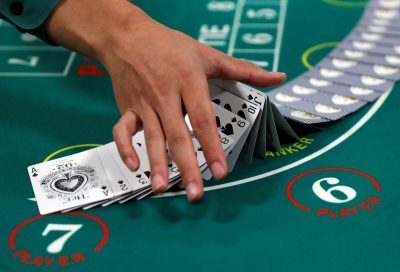
Unlimluck Casino and Responsible Gambling
Unlimluck Casino promotes a responsible gaming environment that prioritizes the mental well-being of its players. With a variety of gaming options that cater to different preferences, the casino encourages players to gamble responsibly, ensuring that they are aware of the potential risks involved. By fostering a safe and enjoyable environment, Unlimluck aims to minimize the negative psychological impacts associated with gambling.
Additionally, Unlimluck Casino offers resources for players who may be struggling with gambling-related issues. They provide access to tools that help individuals set limits on their gambling, including deposit limits and self-exclusion options. By facilitating an environment focused on accountability, Unlimluck helps promote healthier gambling habits among its players.
The casino recognizes the importance of mental health in the gaming experience. By advocating for responsible gambling and providing ample resources for support, Unlimluck Casino aims to mitigate the adverse effects of gambling on mental health outcomes. In doing so, they contribute to a gaming community that values safety and well-being alongside entertainment.
